
IV nutrient therapy is increasingly used in athletic recovery routines when hydration and nutrient demands are high. For performance-focused athletes, IV therapy for athletic performance and recovery may fit into a medically guided approach to consistency, bounce-back, and long-term training readiness.
Athletes who push their limits understand that hydration and nutrient balance are foundational. During intense training cycles, fluid levels, energy demands, and cellular recovery needs can shift quickly, especially when you add travel, heat, or packed schedules to the mix.
That’s why more high-performing adults are exploring IV nutrient therapy as part of a medically guided wellness routine. Not as a shortcut, but as a strategic tool to help maintain hydration, replenish key nutrients, and stay consistent when demands are high.
In this article, we explore how hydration and IV nutrient therapy fit into a performance-focused lifestyle and why maintaining fluid and nutrient balance matters for consistency. Let’s take a clear, medically guided look at how athletes thoughtfully add IV therapy for athletic performance and recovery into their routines
Recovery Is a Training Tool, Not an Afterthought
Athletes who train multiple times per week, or multiple times per day, quickly learn that recovery determines longevity. Missed sessions, persistent fatigue, or inconsistent performance often point back to recovery habits rather than motivation or effort.
Over time, unmanaged training stress can contribute to lingering exhaustion that athletes sometimes describe as chronic fatigue, reinforcing the need for intentional recovery planning.
Recovery includes:
- Sleep quality and duration
- Training volume management
- Nutrition and fueling
- Hydration and electrolyte balance
When these pieces work together, training feels more sustainable. When one falls behind, the body often signals that adjustment is needed.
This is why many athletes now treat recovery with the same intention they bring to programming. Athletic recovery is no longer passive; it’s planned, structured, and directly tied to long-term performance consistency.
Why Hydration and Intravenous Vitamin Therapy Matter for Athletes
Maintaining balance across vitamins and minerals becomes especially important during heavy training, when repeated sessions and sweat loss increase overall nutrient demands.
During intense training, the body loses fluids and electrolytes through sweat. Along with fluids, athletes may lose vitamins and minerals involved in muscle contraction, nerve signaling, energy, and overall cellular function.
If intake doesn’t keep pace with output, athletes may become aware of potential nutrient deficiencies (vitamin or mineral deficiency), particularly during high-volume or endurance-focused training blocks.
Training Factor |
What Happens |
Recovery Approach |
|
Light Training |
Impacts endurance, strength, power, coordination, and increases perceived effort. |
Prioritize consistent daily hydration and electrolyte balance. |
|
Day-to-Day Training |
Creates ongoing, steady demands for fluids and nutrients. |
Rely on foundational tools: water, balanced meals, and electrolyte beverages. |
|
High-Demand Periods |
Athletes may feel depleted despite habits due to heat, travel, or volume. |
Consider layering hydration therapy onto existing routines for extra support. |
What Is IV Nutritional Therapy and How Can It Help You?
IV nutrient therapy involves the delivery of IV fluids and specific nutrients directly into the bloodstream through an intravenous line. Sometimes called intravenous micronutrient therapy, it focuses on delivering small but essential nutrients efficiently.
Because intravenous therapy bypasses digestion, your body can receive nutrients faster. It’s a more efficient approach for athletes managing demanding schedules and going through intense training or travel.
How Athletes May Benefit from IV Nutrient Therapy
Factors such as inconsistent eating schedules, travel, or training stress can slow down nutrient absorption. IV nutrient therapy fits right into busy athletes' high-demand schedules thanks to its fast absorption.
Intravenous nutrient therapy may help athletes:
- Rehydrate efficiently after heavy sweating
- Replenish fluids during demanding training phases
- Restore nutrients associated with energy and muscle function.
Depending on individual needs, medical professionals can create a custom IV fluid mix of vitamins, electrolytes, and other nutrients to help support athletic recovery.
|
It’s important to be clear: IV therapy is not a replacement for nutrition, hydration, sleep, or training structure. Whole foods, hydration habits, and oral supplements remain foundational to recovery. IV therapy can provide additional support on days your body needs help doing the heavy lifting. |
When IV Vitamin Therapy for Athletic Performance and Recovery Matters Most
Athletes don’t approach recovery randomly. IV vitamin therapy sessions often depend on training volume, travel schedules, and recovery plans during demanding phases.
Some athletes choose to incorporate IV therapy for athletic recovery during:
- high-volume or high-intensity training phases
- competitive seasons with limited rest days
- hot or travel-heavy schedules
- post-event recovery following races or tournaments.
Hydration needs and nutrient demands typically spike during these times of extreme stress, change, and physical exertion. It's when some athletes often consider IV nutrient therapy alongside other recovery tools, rather than a standalone fix.

Vitamins, Minerals, and Athletic Recovery
Training places stress on multiple systems in the body. Along with fluids, athletes often focus on getting vitamins and minerals that support processes, muscle function, nerve signaling, and oxygen transport within blood cells to improve their performance.
During intense training cycles, the body uses up essential vitamins and minerals as physical demands increase, including:
- B vitamins, involved in energy and red blood cell production
- vitamin C, often discussed in relation to immune function;
- electrolytes, which influence muscle contraction and peripheral nerve signaling.
Athletes who prioritize athletic recovery understand that vitamins and minerals work together, and that maintaining balance matters more than focusing on a single nutrient.
Whether through food, oral supplements, or medically guided IV vitamin therapy administered by medical professionals, the goal is consistency, not excess; long-term recovery rather than chasing short-term solutions. Multivitamin therapy aligns well with this mindset, emphasizing balance rather than isolated nutrients.

Treating Recovery With Intention
Athletes who stay consistent over time tend to approach recovery with the same discipline they apply to training. That includes understanding when additional tools make sense, and when they don’t.
A good recovery mindset includes:
- knowing how hydrated you are
- paying attention to how much you train and how tired you feel,
- being open to changing your routines during tough times, and
- choosing options based on medical advice instead of popular trends.
Many athletes build recovery routines to feel more balanced and resilient during training, often leading to reduced fatigue and stress over time.
IV vitamin treatments fit well here; rather than chasing quick fixes, it’s about planning recovery and performance IV routines with clarity, intention, and perspective.
IV Hydration Therapy Is an Add-On, Not a Replacement
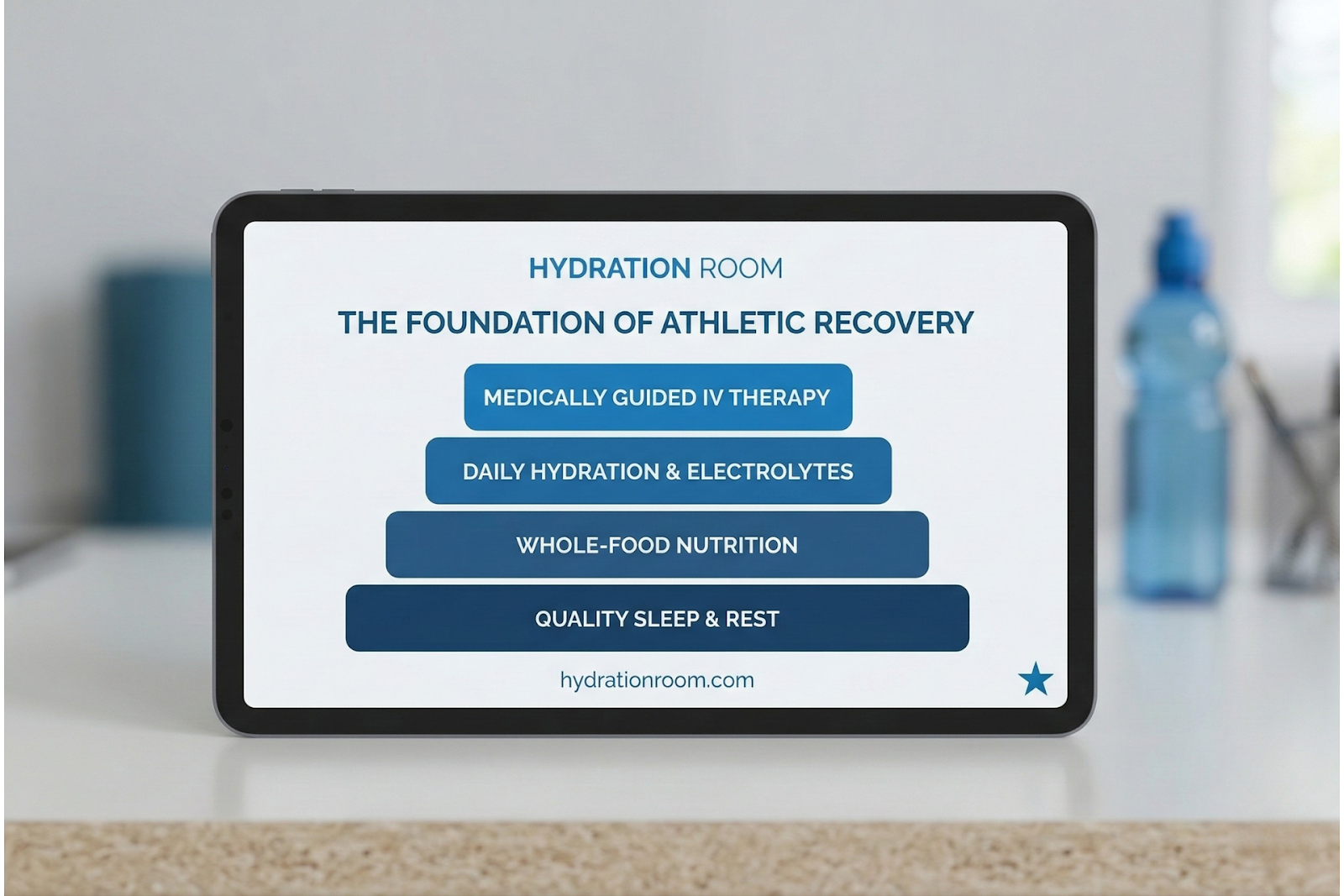
IV nutrient therapy is not designed to replace daily hydration habits, whole-food nutrition, sleep routines, or a well-planned training structure. Instead, it works best as an add-on, one component within a broader recovery framework built on consistency.
A balanced approach may include:
- daily hydration and electrolyte intake
- nutrient-dense meals
- strategic use of oral supplements
- quality sleep
- mobility work
- thoughtful training cycles.
During periods of increased demand, such as intense training blocks, competitions, travel, or environmental stress, some athletes choose to layer in IV nutrient therapy as additional support.
Integrating IV Nutrient Therapy Into a Balanced Routine
For athletes who choose to include IV nutrient therapy, integration matters more than frequency. It works best when layered onto an already strong foundation of sleep, nutrition, hydration, and structured training.
Rather than acting as a reactive fix, IV therapy can be part of a proactive wellness strategy, one that prioritizes preparation, balance, and long-term consistency.
When hydration and nutrient levels feel aligned, you can approach training sessions with greater focus and confidence. Over time, that consistency builds momentum, the real competitive edge leading to lasting results.
Is IV Therapy for You? A Smart Athlete’s Perspective
Whether IV therapy for athletic performance and recovery is the right fit depends on your goals, your schedule, and your established routine.
Consider your training volume, sweat rate, travel demands, and current hydration and nutrition strategies. Are they already working for you, or could an additional boost help you stay balanced and ready to perform? Our medical professionals can help you decide.
Our Medical Approach to Athletic Recovery IV Therapy
At the Hydration Room, we take your health seriously. Before you begin IV nutrient therapy, our medical professionals conduct a thorough screening of your health history, including any chronic conditions, to ensure your therapy aligns with your individual wellness goals.
Our physician-designed approach means we don’t take shortcuts. That means we:
- Evaluate factors such as your hydration status and potential medication interactions before every session.
- Carefully assess what makes sense for you before making professional recommendations on more frequent visits or higher-volume therapies.
With our close oversight, we make sure your experience feels seamless, transparent, and grounded in medical expertise, because we believe IV therapy should feel empowering, not uncertain.
FAQs About Intravenous Nutrient Therapies
Is IV nutrient therapy worth it for athletes?
Whether IV nutrient therapy is worth it depends on training intensity, recovery demands, and individual goals. Some athletes consider it during high-stress periods when hydration and nutrient needs feel harder to meet through food and fluids alone.
How is IV therapy different from drinking water or taking supplements?
Unlike oral hydration or supplements, IV therapy delivers fluids and nutrients directly into the bloodstream. Some athletes explore this option when digestion feels limiting during intense training or travel-heavy schedules.
What are the risks of IV nutrition therapy?
IV nutrition therapy is generally well tolerated when medically guided, but potential risks can include discomfort at the IV site. This is why clinical screening and administration by trained medical professionals are important.
When do athletes typically use IV therapy for recovery?
Athletes often consider IV therapy for recovery during heavy training blocks, competitive seasons, hot environments, or post-event recovery, always as part of a broader, well-planned recovery routine.
Is IV therapy for athletic performance and recovery medically guided?
At Hydration Room, IV therapy for athletic performance and recovery follows a medically guided approach, with professional oversight to help athletes understand what fits their lifestyle and training needs.
Key Takeaways
- IV nutrient therapy is sometimes incorporated into athletic recovery during high-intensity or high-volume training phases.
- Athletic recovery IV therapy is viewed as an add-on to sleep, nutrition, hydration, and training structure, not a replacement for them.
- IV therapy for athletic performance and recovery delivers fluids and nutrients directly into the bloodstream, bypassing the digestive system.
- IV therapy athletic performance strategies are often used selectively during travel, heat exposure, or back-to-back sessions.
- Recovery and performance IV routines work best when guided by medical professionals and used intentionally.
- Consistent athletic recovery habits help athletes stay prepared for ongoing training demands.
Your Competitive Edge Is Recovery
Hydration, nutrient balance, and intentional recovery all shape how your body performs over time. When those elements are aligned, training feels sustainable, and consistency becomes your true advantage.
If you’re ready to elevate your recovery routine, Hydration Room offers physician-designed IV nutrient therapy in a medically guided, wellness-focused environment. Book today and let’s start your hydration treatment.
