
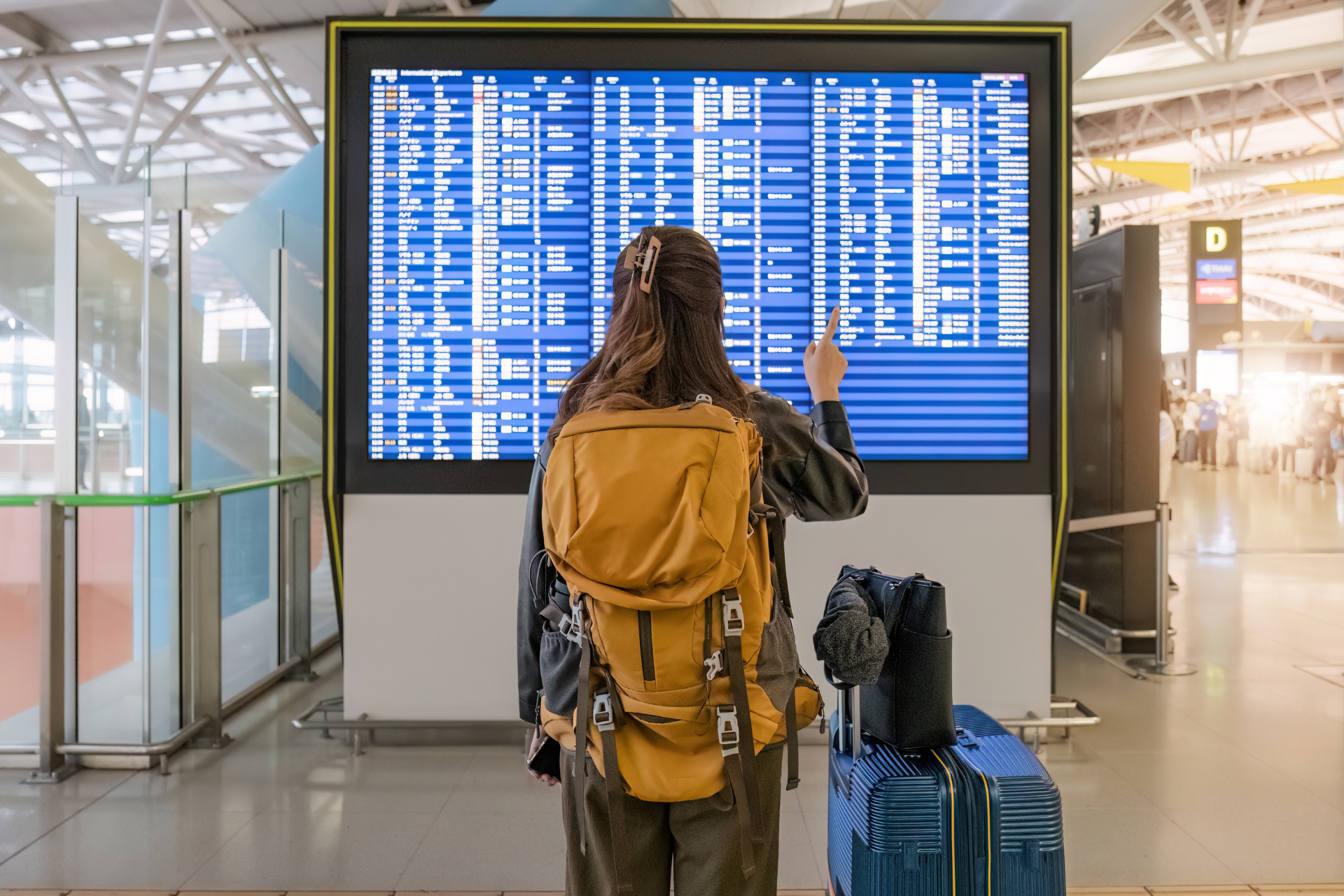
 Smart pre-travel prep is key to landing sharp, not depleted. Start hydration loading two to three days before departure, prioritize quality sleep, pack a wellness carry-on, and consider IV therapy to support your immune health and hydration levels before your next long-haul flight.
There’s a version of flying where you land feeling sharp and ready. And there’s the more familiar one: stiff, foggy, and wondering why your body stages a small revolt every time you cross a time zone. The difference often comes down to what you did in the days before you ever get on the plane.
Think of pre-travel prep as your travel health checklist. It’s a smarter way to plan ahead for the 72 hours before your next long-haul flight.
Start Earlier Than You Think With Hydration
During air travel, flight dehydration is one of the most underestimated stressors. The low humidity inside a plane cabin is typically 10% to 20%, drier than most deserts. Spending many hours in that environment accelerates moisture loss.
Why You Need to Stay Hydrated
The body may begin losing moisture as soon as you board. If you’re already depleted, the effects compound: fatigue, headaches, and sluggish digestion. It’s recommended to drink about eight ounces of water every hour while in the air to stay ahead of it.
A nasal spray can also manage sinus dryness, while eye drops and lip balm keep you comfortable.
Hydration Loading Strategies
Travel dehydration starts on the ground. The fix is to stay hydrated via "hydration loading" two to three days before departure. Water is key, but electrolytes may help your cells absorb it. Bring a refillable water bottle to fill after security, so you don't rely on small cups during the flight.
For those seeking extra readiness, a session at Hydration Room can deliver hydration and minerals directly into the bloodstream. While results vary, health-focused travelers find this a meaningful way to arrive well-stocked.
Get Good Quality Sleep Days Before
While many travel wellness tips overlook rest, how you sleep before a long flight is a key predictor of how you handle the journey. Aside from leaving you tired, poor pre-flight rest may also affect immune health and make jet lag significantly harder to shake.
Practice Good Sleep Hygiene
Two nights before your long-haul flight, prioritize sleep as much as you do packing. Dim screens, cool your room, and avoid alcohol, which fragments rest even if it helps you fall asleep.
Slowly Adjust to Your New Time Zone
If crossing multiple time zones, shift your schedule by 30 to 60 minutes toward your destination’s local time to give your internal clock a head start.
Pack Tools for In-Flight Shut Eye
Pack an eye mask and noise-canceling headphones in your carry-on to signal your brain it's time for rest. Using these tools may help you manage the cabin lights and other passengers, which may help you feel more rested on arrival.
Select Seats Strategically for Physical Comfort
Where you sit during long-haul flights affects your well-being. Booking early increases your chances of securing a preferred seat.
- Window seat: Best for leaning your head against the wall to get some shut-eye.
- Aisle seat: Provides easier access to the lavatory and lets you stretch without disturbing other passengers.
- Bulkhead seats & extra legroom: These offer more space but often have fixed armrests and limited storage in the seat pocket.
- Middle seats: Generally avoided, but if you end up in the middle section, ensure you have a good neck pillow.
Keep the Blood Flowing
Immobility may affect circulation on longer flights. To keep your blood flowing, get up and walk the aisle every one to two hours. While seated, flex your calf muscles and wear compression socks to help prevent blood from pooling.
Pack Your Wellness Carry-On Bag
Your carry-on should be a toolkit for rest. Dress comfortably in loose layers to manage fluctuating cabin lighting and temperatures. Here’s what to pack:
- Noise-canceling headphones: Essential for blocking ambient noise so you can focus on watching a movie or getting some rest.
- Power bank: Airplane outlets are often unreliable; a power bank keeps your jet lag management apps running.
- Eye mask and travel pillow: These are staples for anyone trying to fall asleep in economy.
- Healthy snacks: Airline food is often high in sodium, which may contribute to bloating. Bring your own to ensure you stay nourished.
Consider Nutrient Timing and Immune Readiness
Long flights in recirculated air can be taxing on the body. Focus on nutrient-rich foods like leafy greens and lean proteins before you go. These provide vitamin C and zinc, which may support your immune health.
Physician-formulated IV therapy may offer a more direct way to deliver these vitamins than oral supplements alone. At Hydration Room, we prioritize what's inside to help support you before the stress of travel.
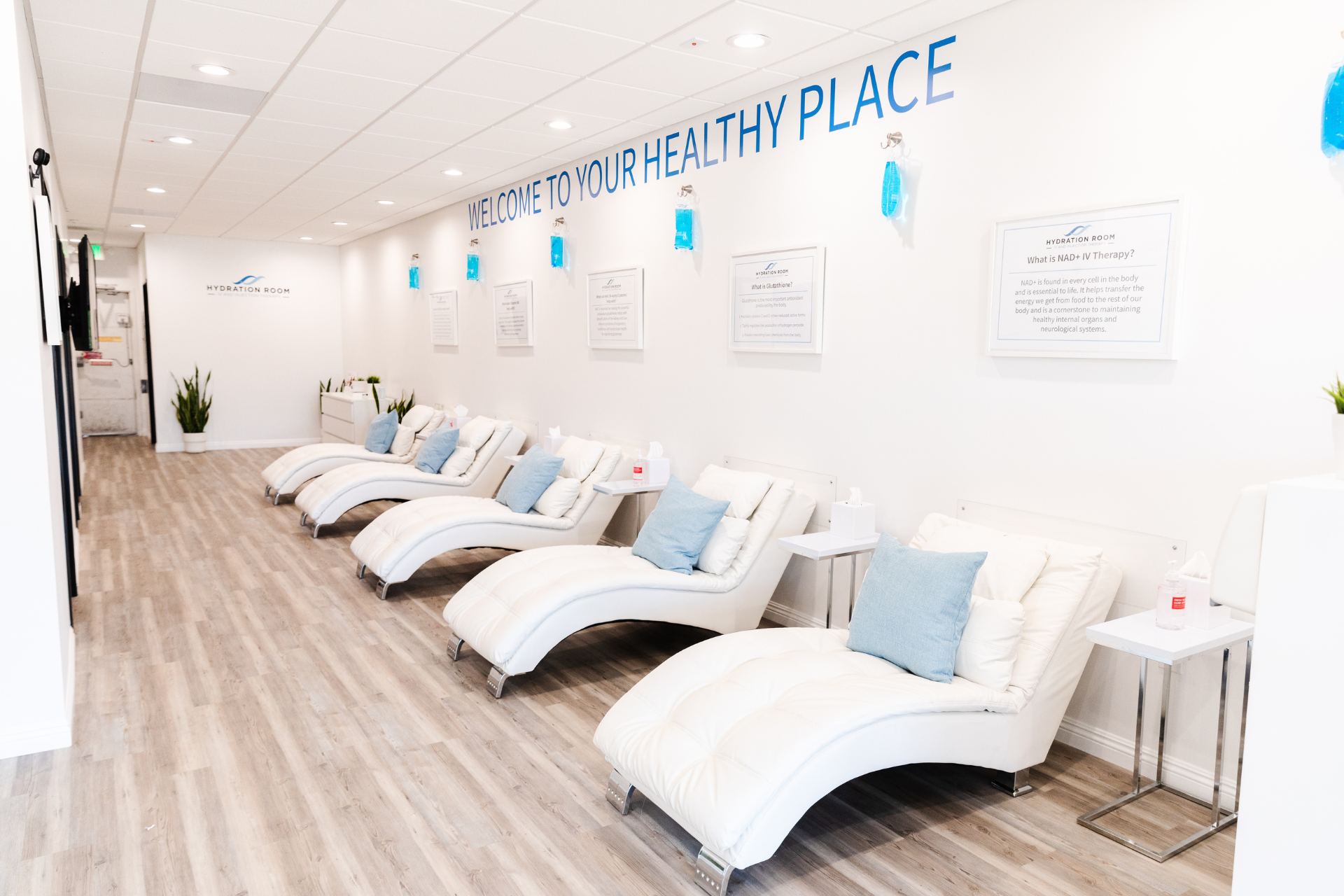 Image Source: Hydration Room
FAQs About Travel Tips for Long Flights
What is the 3-3-3 rule for flights?
This rule suggests breaking a long flight into segments: three hours of productivity or entertainment, three hours of rest or sleep, and three hours of "maintenance" (eating, stretching, and hydrating).
How to survive a 15-hour flight in economy?
Dress comfortably, use a neck pillow, and stay active. Try to find an empty seat or empty row if the flight isn't full, and always keep your seat belt fastened over your blanket so the cabin crew doesn't wake you.
Do IV therapy sessions help with jet lag?
Many travelers use jet lag IV therapy to reset their hydration and nutrient levels. While results may vary, it may support the body as it adjusts to a new time zone.
How can I support my immune system before traveling?
Focus on vitamin C, zinc, and nutrient-rich foods in the days before flying. Prioritize sleep, stay hydrated, and consider whether a physician-formulated IV session may offer additional support.
Key Takeaways
- Start hydration loading two to three days before your long haul.
- Choose a window seat for sleep or an aisle seat for movement.
- Use noise-canceling headphones and an eye mask to signal your brain it is time for shut-eye.
- Avoid alcohol and caffeine, as they worsen jet lag and flight dehydration.
- A pre-travel IV session may support your well-being before your trip. Results may vary.
Prepare Beforehand, Arrive Ready to Go
Flying is taxing, but you don't have to land feeling depleted. With a little planning, thanks to these travel tips for long flights, and the right nutrients, you may step off the plane feeling more like yourself.
Because what’s more important than you? Choose a Hydration Room location and book a session today.
