
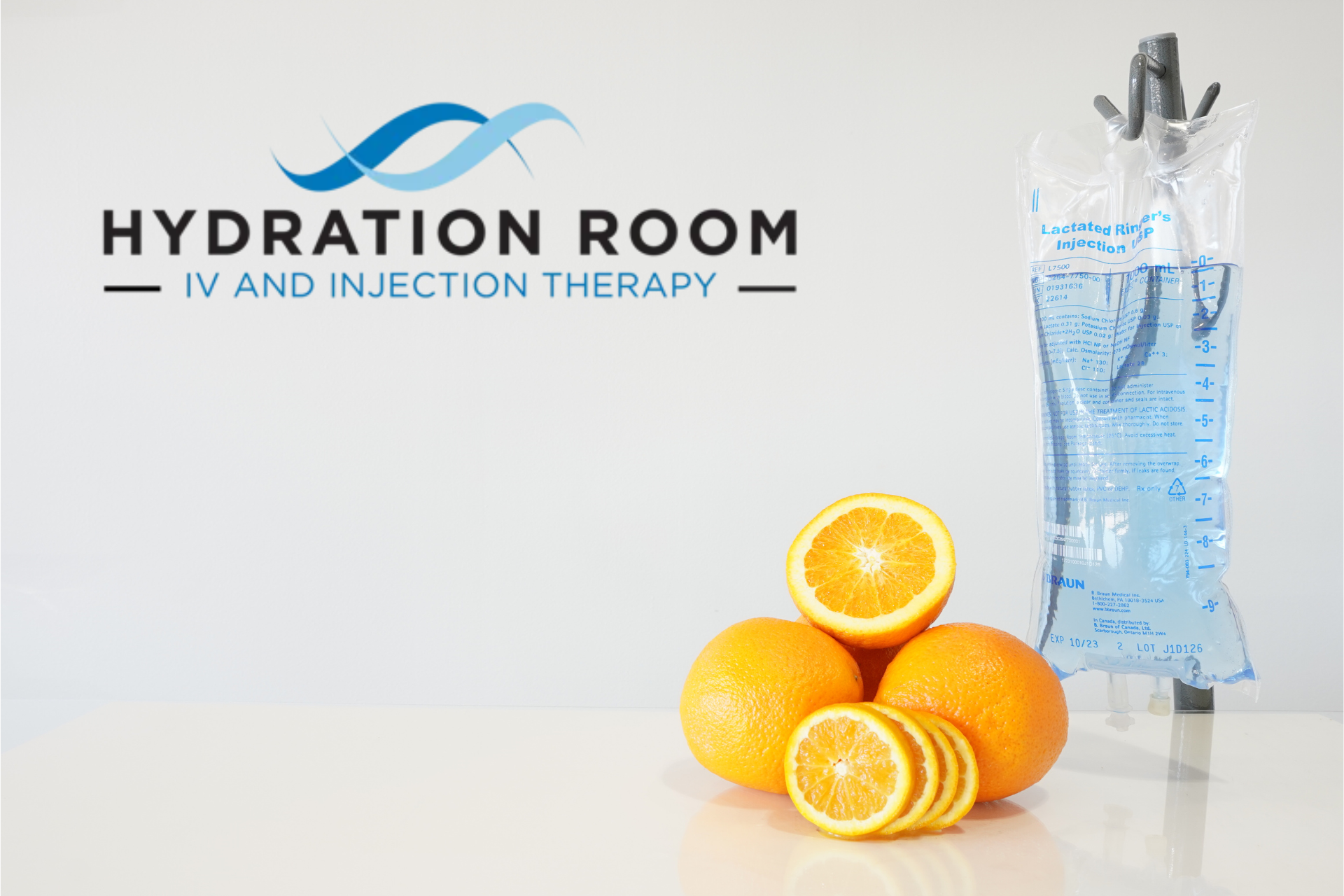
 Dehydrated skin lacks water inside its cells. Topical vitamin C and moisturizers help, but they may not reach every layer. Hydration IV therapy may replace fluids and deliver vitamin C from within, and that may support healthier-looking skin after sun or heat exposure.
You've been diligent all summer. SPF every morning, moisturizer layered over serum, water bottle within reach at your desk. But somewhere between the beach weekends and the long workouts and the back-to-back summer evenings, your skin started telling a different story.
It looks flat. The texture feels rough and tight, and no matter what you smooth on in your skincare routine, your skin just isn't bouncing back the way it used to. Healthy, glowing skin feels further away than it should.
Here's something worth knowing: the problem may not be your skincare products.
Dry Skin vs. Dehydrated Skin: Why the Distinction Matters
These two terms get used interchangeably, but they describe different things.
Dry skin is a skin type. It's a characteristic of how your skin produces oil, and it tends to be relatively consistent across skin types, from oily to combination.
Dehydrated skin is a temporary skin condition characterized by a lack of water, not oil. Even oily skin may become dehydrated, as it may affect any skin type. This common misunderstanding might lead you to choose the wrong moisturizer. Here’s how they differ:
Feature |
Dry Skin (Skin Type) |
Dehydrated Skin (Condition) |
|
Characteristics |
Lack of natural oils (sebum) |
May be associated with lower skin moisture levels |
|
Consistency |
Often, a long-term skin type |
Can be temporary and influenced by environmental and lifestyle factors |
|
Feel/Look |
May feel rough, itchy, or appear flaky |
May feel tight, appear dull, and make fine lines more noticeable |
|
Top Solution |
Moisturizers that help support the skin barrier and replenish moisture |
Hydration-focused skincare and overall hydration habits may help support skin moisture levels |
What Causes Dehydrated Skin?
Summer heat and UV rays are major causes of dehydrated skin. The sun does more than make you feel warm; it may stress skin cells at a deeper level, causing moisture to evaporate faster than your body can replenish it. It may trigger oxidative stress in skin cells, which may speed up transepidermal water loss (TEWL).
This environmental stress may also deplete essential nutrients, such as Vitamin C, that your skin needs to stay strong and repair itself.
The result may be skin that looks dull, feels persistently tight, and may not respond to topical care the way healthy skin normally would.
How Does Vitamin C Help Skin and Why Topical Vitamin C Has Its Limits?
Vitamin C is one of the most researched nutrients in skin care. Understanding how vitamin C helps skin starts with two core functions: collagen production and antioxidant protection.
Consistent use may also support improvements in skin texture and a more even, brightened complexion over time.
Here’s how vitamin C for skin helps:
- Collagen support: May act as a co-factor to keep skin firm and resilient.
- Oxidant shield: Acts to neutralize free radicals caused by summer UV exposure and pollution.
- Moisture barrier: Supports the lipid barrier to reduce transepidermal water loss (TEWL).
- Tone correction: Improves the appearance of uneven skin tone and dullness.
A vitamin C serum is the most common way to use topical vitamin C. Many formulations also pair vitamin C with vitamin E and ferulic acid. Ferulic acid stabilizes vitamin C and may extend its antioxidant activity on the skin's surface.
The challenge is what happens at the barrier. The skin's outer layer is designed to keep things out, and even a well-formulated vitamin C serum may only reach so deep.
|
Delivery Method |
Absorption Level |
Best For... |
|
Topical Vitamin C |
Low (Surface level) |
Daily maintenance & surface glow |
|
Oral Supplements |
Moderate (Digestive filter) |
General wellness & daily intake |
|
Hydration IV Therapy |
More direct (Bypasses the digestive system and skin barrier) |
A more comprehensive approach to hydration and replenishment |
*Disclaimer: Results may vary
For people whose skincare routine is already solid but whose skin isn't responding, this is often why.
Learn more: How IV Vitamin Therapy May Support Your Body
How Hydration IV Therapy May Help Dehydrated Skin From Within
A physician-formulated IV designed to address skin dehydration may combine vitamin C with complementary antioxidants and hydrating compounds in a single session. For dehydrated skin caused by fluid and nutrient loss, this approach may work on several contributing factors at once:
- Replenishing the fluid and electrolyte balance that UV exposure and heat disrupt
- Delivering vitamin C in a form that may support collagen production and antioxidant defenses
For some people, vitamin C delivered this way may offer benefits beyond what surface application alone may achieve. As the body’s internal nutrient balance is supported, some people may notice improvements in skin texture, tone, and overall resilience over time. Results may vary.
IV hydration therapy isn’t a replacement for a consistent skincare routine, adequate water intake, or broad-spectrum sunscreen. But for skin that has taken a real hit from summer sun and heat, it may offer a more direct way to replenish what topical skin care may not fully reach.
For clients recovering from intense physical activity or a demanding travel schedule, the combination of fluid and nutrient depletion may compound the effects on skin. Replenishment may be needed at a deeper level than the surface. That's where IV vitamin therapy may help.
FAQs About Healthy Skin
What’s the difference between dry skin and dehydrated skin?
Dry skin is a skin type defined by low oil production. Dehydrated skin is a temporary condition in which the skin lacks water and may affect all skin types, including oily skin.
What are the benefits of vitamin C for the skin?
Vitamin C may help support collagen production and provide antioxidant benefits that support the skin's natural defenses against everyday environmental stressors. It’s also commonly associated with a brighter, more even complexion. As one of the most researched nutrients for skin health, vitamin C is a popular component of many skin wellness routines.
Why isn't my skincare routine fixing my dehydrated skin?
Topical products, including vitamin C serums, may only penetrate so deeply. If dehydration stems from internal fluid and nutrient loss, replenishing from within may be more effective than adding more to your skincare routine.
How can IV therapy help dehydrated skin?
Physician-formulated IV therapy may deliver vitamin C, antioxidants, and hydrating compounds directly into the bloodstream. It bypasses the skin barrier that may limit the effectiveness of topical skin care. Results vary, and a medical consultation is recommended.
Key Takeaways
- Dehydrated skin is a temporary condition caused by water and nutrient loss, distinct from dry skin, which is a skin type.
- UV exposure accelerates transepidermal water loss and depletes vitamin C, a nutrient essential to collagen production and skin repair.
- Topical vitamin C serums face limitations in absorption through the skin barrier, which may reduce their effectiveness for deeply depleted skin.
- IV hydration therapy delivers vitamin C and antioxidants directly into the bloodstream, bypassing the skin barrier entirely.
- Physician-formulated IV therapy may support skin hydration, collagen production, and antioxidant defense from within. Results may vary.
Get Hydrated From Within
At Hydration Room, our physician-formulated IV therapies are designed to address wellness from the inside out. If your skin hasn't responded to topical care the way you'd expect after a long summer, a consultation with one of our medical professionals may help determine whether dehydration and nutrient depletion may be contributing.
Find a Hydration Room location near you and book an appointment today.
